
The Most Nutritious Vegetables and the Ones That Are Almost Pointless
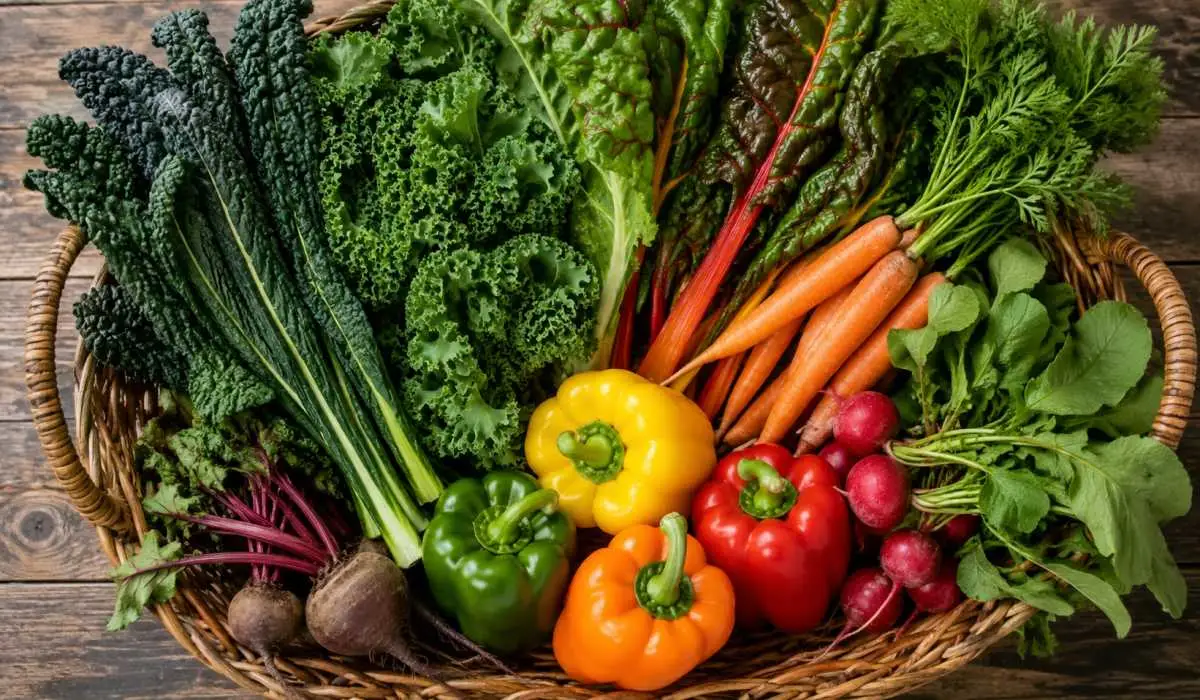





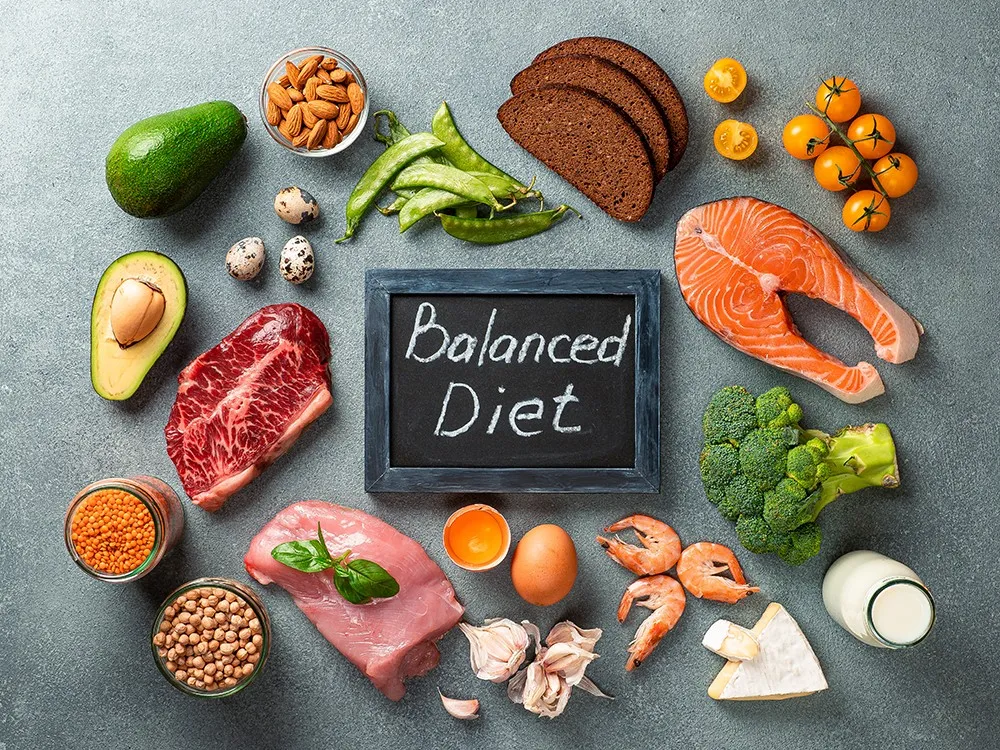

The most nutritious vegetables are packed with essential vitamins, minerals, antioxidants, and fiber that support overall health. While every vegetable has nutritional value, some stand out for their exceptional nutrient density and health benefits.
From leafy greens like kale to vitamin-rich red peppers and fiber-packed Brussels sprouts, choosing the right vegetables can strengthen immunity, improve digestion, and promote long-term wellness. In this guide, we'll explore the healthiest vegetables, their key nutritional benefits, and why they deserve a place in your daily diet.
Not all vegetables were created equal
We all know it's important to eat our greens (and vegetables of any other colour), but did you know that some vegetables provide more value than others when it comes to protecting our health and powering our bodies?
With the help of an expert nutritionist, we unpacked the contribution each vegetable makes to a healthy balanced diet and unearthed the factors that restrict their impact. Read on to discover which veggies are most dense with essential nutrients – and which are pretty pointless.
Read More: Best Fast Food Chains in Europe You Should Try
Kale
Our list starts with the healthiest option: kale. For sheer versatility, ease and availability, this leafy green is hard to beat. "Kale is a favourite for good reason," says registered nutritionist GQ Jordan.
"It’s packed with vitamins A, C and K, and it's a great source of antioxidants like quercetin – ideal for supporting your immune system and overall health." Keep a bag of the chopped leaves in your fridge to drop into anything from soups and stews to curries and noodle bowls.
Brussels sprouts
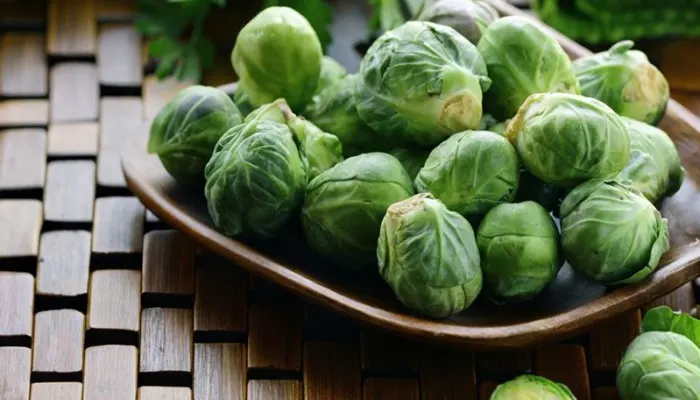
Next time you see these humble cruciferous greens, pile your plate high. Sprouts pack in vitamin K (essential for blood clotting and bone health) and vitamin C, which promotes iron absorption and immune function.
They also boast numerous anti-cancer properties, and their fibre content is huge – almost twice that of carrots. Steam them lightly to maximise their benefits. If you (or others in your household) don't like them, try slicing the leaves finely to add to a stir-fry.
Bok choy
Bok choy (also called pak choi) and other types of Chinese cabbage, such as napa cabbage and tatsoi, would make excellent additions to a balanced diet. Bok choy is high in calcium, iron and vitamins A, C and K, and it couldn’t be easier to cook with.
Throw it into a stir-fry with your favourite sauce or seasonings, and you'll reap the benefits from these vitamins and minerals, which support immune health, red blood cell production, blood clotting and strong bones. If you can find it, try baby bok choy, which offers a higher concentration of nutrients thanks to its smaller, darker leaves.
Chicory and endive
These similar vegetables, which are also closely related to radicchio, add a slightly bitter flavour and crisp texture to a mixed salad. The robust leaves often serve as a stuffing or a serving base, and they work well whether you roast them, grill them or sauté them.
These veggies are full of folate (vitamin B9), which helps to create healthy red blood cells, and you get a decent amount of potassium from them, too – about 10% of your daily amount in 3.5oz (100g).
Garlic
Tiny yet potent, this bulb not only ramps up your food's flavour, but it also boosts the nutritional benefits of any meal. Most of its health benefits come from the sulphur compounds that form when you cut or chew a clove.
To enhance its effects (which include easing inflammation, helping prevent bacterial infections and supporting heart health), let prepared garlic stand for 10-15 minutes before cooking. After that, cook it lightly – or better still, eat it raw.
Red peppers
Fighting off a virus? "Red peppers provide an excellent source of vitamin C, even more than oranges," says Jordan. "They support the immune system and pack carotenoids, which are great for skin and eye health."
In fact, a portion of red pepper can pack three times more vitamin C than an orange, though this nutrient easily gets damaged through heating or exposure to air – so enjoy yours raw and freshly chopped to get the full benefits.
Sweet potatoes
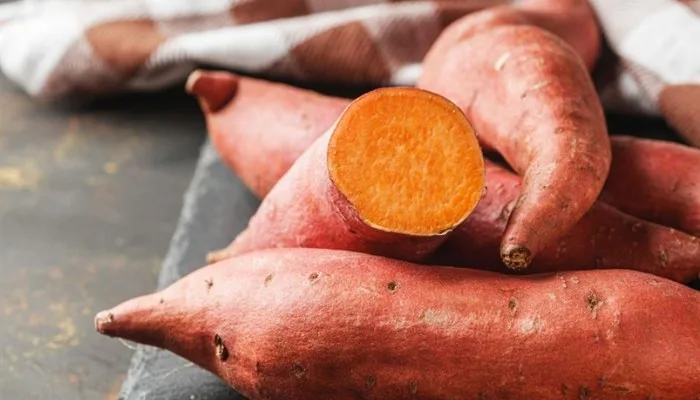
Delicious baked, mashed or cut into wedges, sweet potatoes are an excellent source of beta carotene, the plant form of vitamin A that's important for eye health, our immune system, reproduction, and growth and development.
But be sure to incorporate the skins into your dish, as this is where the majority of the vitamin C and potassium sit – not to mention the fibre. Getting enough fibre lowers your risk of heart disease, stroke, type 2 diabetes and bowel cancer, so no throwing that peel in the bin!
You May Also Read: Best Foods to Reduce Bloating Naturally: Quick Gut Relief
Swiss chard
If it’s leafy and dark green, you can almost guarantee it deserves a spot on your plate. Swiss chard is especially high in vitamin K – and it has vitamin A, vitamin C and magnesium in significant amounts, too. As if that weren't enough, it also contains manganese, copper, iron, vitamin D and potassium, and it’s loaded with fibre.
All these nutrients mean it can help support the health of your bones, heart and digestive system. It’s versatile too, going well in soups, stews and salads. Alternatively, sauté or steam it to create an easy side dish.
FAQs
1. What is the most nutritious vegetable?
Kale is widely considered one of the most nutritious vegetables because it is rich in vitamins A, C, and K, antioxidants, and fiber.
2. Which vegetable has the highest amount of vitamin C?
Red bell peppers contain significantly more vitamin C than oranges, especially when eaten raw.
3. Are Brussels sprouts healthy?
Yes. Brussels sprouts are high in fiber, vitamins C and K, and antioxidants that support immunity, digestion, and heart health.
4. Is it better to eat vegetables raw or cooked?
It depends on the vegetable. Some, like red peppers, retain more vitamin C when raw, while lightly cooking vegetables like bok choy or Swiss chard can improve digestibility without losing many nutrients.
5. Should I eat vegetable skins?
Whenever edible, yes. Vegetable skins, especially on sweet potatoes, contain valuable fiber, vitamins, and minerals that contribute to better overall nutrition.


.webp)

.webp)
.webp)